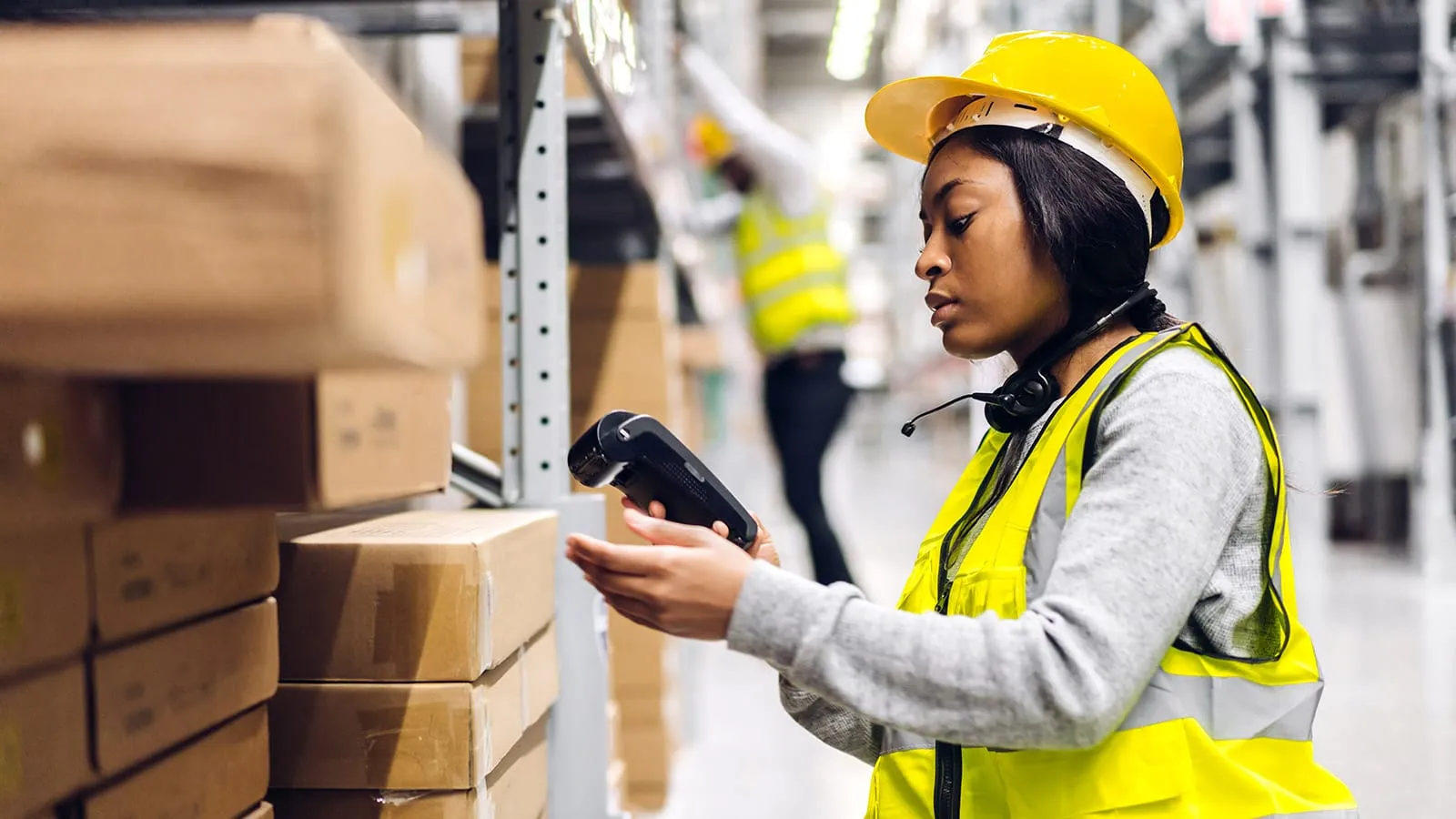
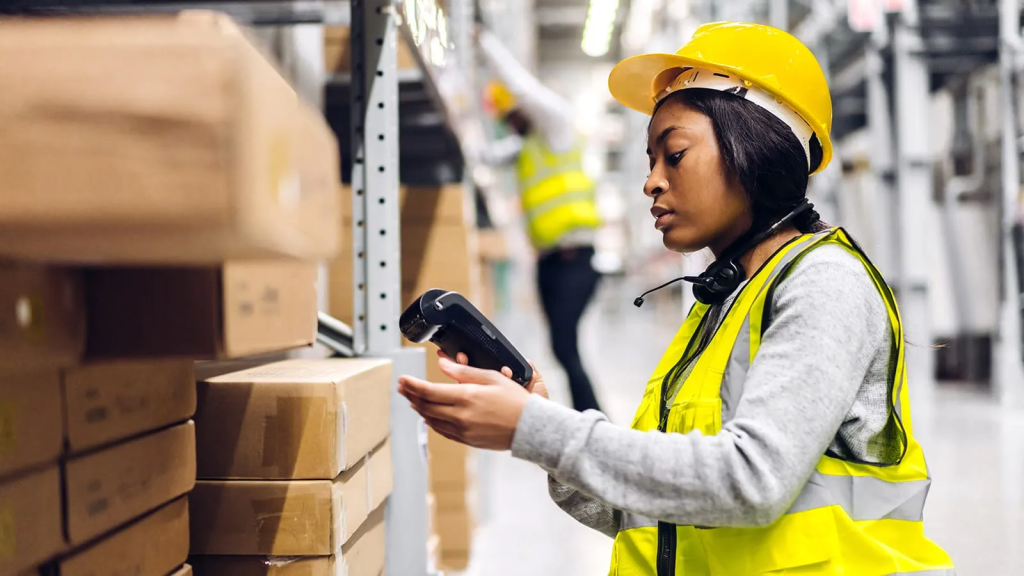
Ecommerce fulfillment services are a key part of running an online store. These services cover everything that happens after a customer places an order, all the way until the product is delivered to their home. In today’s online shopping world, customers expect fast delivery, correct orders, and clear updates. Because of this, businesses need a strong and well-planned fulfillment system to keep customers satisfied and coming back.
What Ecommerce Fulfillment Means
Ecommerce fulfillment is the full process of handling an online order from start to finish and for this most businesses turn to https://www.fulex.com. It begins the moment a customer buys a product and ends when the item is delivered to them. In many cases, it also includes handling returns if the customer is not happy with the product or if there is a problem with the order.
This process is not just one simple task. It is a series of connected steps that must work together smoothly. If one step is slow or has mistakes, it can affect the whole delivery process and lead to unhappy customers.
Main Steps in the Fulfillment Process
1. Receiving and managing inventory
This step happens when products arrive from suppliers or manufacturers. The business checks if the items are correct, complete, and in good condition. If there are damaged or missing items, they are reported. After checking, the stock is recorded in the system so the business knows exactly how many items are available for sale.
2. Storage in the warehouse
After receiving products, they are placed in a warehouse where they are stored until they are sold. A well-organized warehouse is very important because it helps workers find items quickly and easily. Products are usually arranged in a way that makes the most popular items easier to access, which helps speed up order processing.
3. Order processing
When a customer places an order online, the system automatically records the purchase. It checks if the payment is successful and updates the inventory so the stock count stays accurate. This step makes sure that the business knows what needs to be prepared for shipping without delays or confusion.
4. Picking and packing
In this step, workers or automated systems collect the ordered items from the warehouse shelves. This is called picking. After that, the items are carefully packed using boxes, wrapping materials, and labels to make sure they are safe during transport. Good packing helps prevent damage and reduces the chance of returns.
5. Shipping the order
Once the package is ready, it is handed over to a delivery service. The shipping company then transports the package to the customer’s address. Fast and reliable shipping is very important because customers expect their orders to arrive on time and in good condition.
6. Handling returns
Sometimes customers return products because they ordered the wrong size, changed their mind, or received a damaged item. This step is called reverse logistics. The business must inspect returned items, update stock records, and process refunds or replacements. A smooth return process helps build customer trust.
Why Fulfillment Matters for Online Businesses
Good fulfillment is very important because it directly affects how customers feel about a business. When orders arrive on time and without mistakes, customers are more likely to trust the brand and buy again. But if there are delays or wrong items, customers may lose interest and shop somewhere else.
It also helps businesses save money in the long run. Fewer packing mistakes mean fewer returns, which reduces extra shipping and handling costs. A well-managed fulfillment system also helps workers use their time better, which improves overall efficiency.
How to Improve Your Ecommerce Fulfillment Process
Improving fulfillment is important for any online business that wants to grow. A strong system leads to faster delivery, fewer errors, and better customer satisfaction. Even small improvements can make a big difference in how smoothly the business runs.
Improve Warehouse and Inventory Management
A well-organized warehouse makes a huge difference in how fast orders are processed. Products should be stored in a clear and structured way so workers can find them without wasting time. Items that are sold more often should be placed in easier-to-reach locations to speed up picking and packing.
Good inventory management is also important because it helps prevent common problems like running out of stock or keeping too many unsold items. When businesses keep accurate and updated records, they can plan better, restock on time, and avoid delays in fulfilling customer orders.
Use Better Systems and Technology
Using simple and modern systems can greatly improve fulfillment speed and accuracy. For example, order management systems can automatically update stock levels when a sale is made. This reduces manual work and lowers the chance of human error.
Businesses can also connect their sales system with warehouse tools so everything works together in real time. When all systems are linked, it becomes easier to track orders, manage inventory, and handle large volumes of sales without confusion.
Improve Shipping and Returns Process
Fast and reliable shipping is one of the most important parts of ecommerce success. Customers want their orders as quickly as possible, so working with trusted delivery partners is very important. Some businesses also store products in multiple locations to reduce delivery time.
The return process should also be simple and clear. Customers should easily understand how to return a product if needed. When returns are easy to process, customers feel more confident buying because they know they are not stuck with a product they do not want.
Work With Fulfillment Partners
Many businesses choose to work with third-party fulfillment companies instead of handling everything on their own. These companies take care of storing products, packing orders, and shipping items to customers. This is helpful for small or growing businesses that do not have their own warehouse or staff.
Working with fulfillment partners can also help reduce costs and improve delivery speed. It allows business owners to focus more on marketing, sales, and improving their products instead of worrying about daily shipping tasks.
Use Data to Make Better Decisions
Tracking simple performance data can help improve the fulfillment process over time. Businesses can look at delivery times, return rates, and order accuracy to see where problems are happening. This makes it easier to find weak points in the system.
By using this information, businesses can make smart changes step by step. Even small improvements, like faster packing or better inventory tracking, can lead to better customer experience and stronger business growth.